Gardeners Mottingham: Recycling and Sustainability for Local Gardens
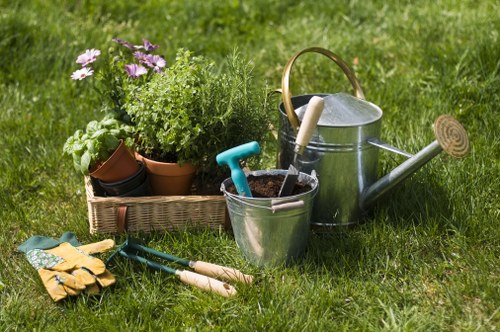 Gardeners Mottingham takes a practical, local approach to creating an eco-friendly waste disposal area and a truly sustainable rubbish gardening area. Our mission is to reduce landfill, extend the life of organic materials, and ensure that soil, plant material and household gardening waste are handled with the lowest possible carbon impact. As Mottingham gardeners we design disposal workflows that reflect borough-level waste separation schemes and local collection patterns while staying flexible for private and communal green spaces.
We collaborate with neighbouring boroughs to align with the typical separation streams: dry recycling, food waste, garden waste, and residual general waste. By mirroring the Royal Borough of Greenwich and London Borough of Bromley approaches to waste separation—where garden waste is collected separately and food waste schemes are expanding—we create a seamless handoff between on-site sorting and municipal services. Our sustainable rubbish gardening area is organised with dedicated bays for woodchip, green compost, soil reuse and inert materials to prevent contamination.
Targets and measurable goals
Our current recycling percentage target for green and mixed garden waste is an ambitious 75% diversion from landfill by 2030. This target covers material we collect directly as Mottingham garden maintenance teams and materials processed at partner transfer stations. To meet and report progress toward that goal we track:
- Green waste tonnes separated and sent to composting centres
- Wood and timber reused as mulch and habitat logs
- Topsoil and compost reclaimed for local projects
- Small quantities of recyclable packaging and metals segregated and delivered to civic recycling centres
To achieve these targets we maintain working relationships with local transfer stations and reuse centres. Where possible we take materials to nearby borough transfer facilities and community reuse depots — prioritising facilities with anaerobic digestion or high-quality composting capability for green and food waste. By routing loads through low-emission transfer points we reduce double handling and cut CO2 emissions associated with transport.

Partnerships with charities and reuse partners
Gardeners in Mottingham partner with local charities and community projects to give useful materials a second life. Healthy plants, tools in good condition, potted soil and timber that cannot go to compost are donated to community allotments, urban farms and local reuse hubs. Our partnerships include community gardens, food banks (for produce-sharing projects) and social enterprises that accept garden supplies for training and employment programmes. These collaborations reduce waste volumes and create social value from routine garden clearances.
We actively avoid sending resalable items to landfill: pots, planters, working tools and undamaged garden furniture are channelled to charity partners. Where materials cannot be reused whole, we prioritise mechanical reprocessing—wood chipping for mulch, brick and concrete crushed for sub-base in landscaping, and clean topsoil screened for reuse in planting beds. These steps are part of a circular approach to garden waste that rewards resourcefulness and minimises disposal costs.
Transport and carbon reduction are core to our sustainable strategy. Our fleet comprises low-carbon vans including electric vehicles and hybrid units for routine runs, and we deploy cargo bikes or small electric trailers for short-distance work within Mottingham. Route optimisation software helps reduce empty miles and concentrates collections to the most efficient transfer points. In addition, we schedule heavy loads to local transfer stations to avoid long-distance haulage and reduce lifecycle emissions from every job.
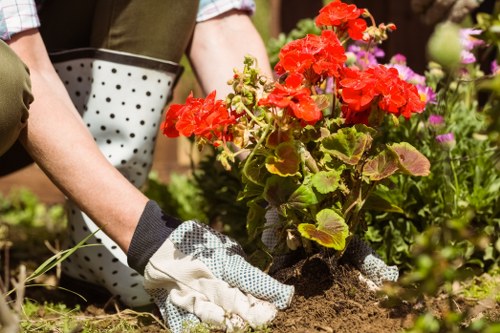
On-site practices emphasise minimal disturbance and maximum reuse: invasive plant material is bagged and taken to specialist composting where required, woody prunings are chipped and reused on-site as mulch, and topsoil is assessed for reconditioning rather than disposal. We operate a small-scale communal composting area for suitable green waste from multi-property garden management projects, turning garden spoil into a valuable soil conditioner that reduces the need for peat-based products.
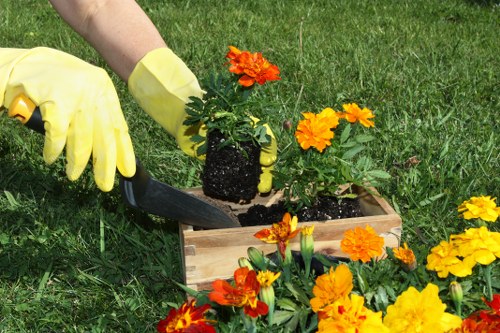 Sustainable rubbish gardening area design also includes clear signage and segregation, with labelled bins for different waste streams and training for staff to recognise contamination risks. Our teams follow strict quality protocols so that recyclable loads remain clean and acceptable to borough recycling centres. We monitor contamination rates and provide ongoing training to reduce cross-stream contamination and improve our overall recycling percentage.
Key commitments you can expect from Mottingham gardeners focusing on sustainability include:
- Regular auditing of waste streams to measure progress toward the 75% diversion goal
- Transparent partnerships with nearby transfer stations and community reuse organisations
- Low-emission transport prioritised for collections and deliveries
- On-site reuse and composting to close the loop locally
We balance the practicalities of garden maintenance with a clear environmental ethic. By combining local knowledge of borough recycling arrangements, trusted charity partnerships and a low-carbon vehicle fleet, Gardeners Mottingham aims to be a model for sustainable garden waste management — delivering tidy, healthy outdoor spaces while protecting the wider environment.

