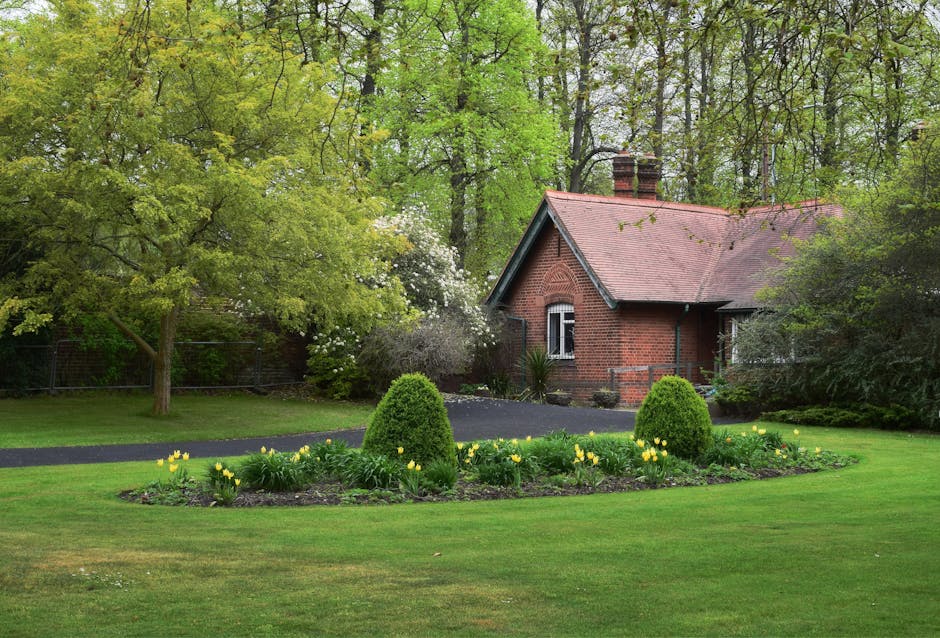
Mottingham Station garden maintenance tips for small front gardens
Small front gardens can be a lovely thing, but they can also become a bit of a headache if they're left to drift. A few weeds here, a tired hedge there, one windy week with leaves everywhere, and suddenly the whole entrance feels messy. These Mottingham Station garden maintenance tips for small front gardens are designed to help you keep a compact space neat, attractive, and genuinely easy to live with.
That matters around busy local streets and station-side homes, where front gardens are often the first thing you see on the way in and out. The good news? A small space does not need complicated treatment. In fact, with the right routine, a tiny front garden is usually easier to maintain than a larger one. You just need a plan that fits the size, the light, the footfall, and the pace of everyday life. Let's make it simple.
If you're comparing help from a local team, you may also want to look at the full range of garden services available in Mottingham and the practical details on pricing and quotes. Those pages are useful if you're deciding whether to handle things yourself or bring in support for a seasonal tidy-up.
Table of Contents
- Why Mottingham Station garden maintenance tips for small front gardens Matters
- How Mottingham Station garden maintenance tips for small front gardens Works
- Key Benefits and Practical Advantages
- Who This Is For and When It Makes Sense
- Step-by-Step Guidance
- Expert Tips for Better Results
- Common Mistakes to Avoid
- Tools, Resources and Recommendations
- Law, Compliance, Standards, or Best Practice
- Options, Methods, or Comparison Table
- Case Study or Real-World Example
- Practical Checklist
- Conclusion
- Frequently Asked Questions
Why Mottingham Station garden maintenance tips for small front gardens Matters
A small front garden has a bigger visual impact than most people realise. It frames the property, influences kerb appeal, and sets the tone before anyone reaches the front door. Around Mottingham Station, where homes can be close to paths, rail noise, traffic movement, and everyday passers-by, that first impression gets noticed quickly.
Small gardens also show neglect faster. A single overgrown shrub can swallow half the space. A patch of moss on paving can make the whole area look older than it is. And because the space is compact, there is less room to hide awkward planting choices or a maintenance backlog. One untidy corner can dominate the view. Bit brutal, but true.
There's another reason this matters: safety and usability. A tidy front garden makes access simpler for bins, post, visitors, and deliveries. It also reduces trip hazards from loose edging, uneven stepping stones, and fallen leaves. For a front garden that is only a few metres deep, every detail counts.
In our experience, the best front gardens near transport links are the ones that stay calm visually. Not empty. Calm. That usually means a small number of well-chosen plants, clean edging, and a maintenance routine that is realistic rather than heroic.
How Mottingham Station garden maintenance tips for small front gardens Works
Good front garden maintenance is less about one big overhaul and more about repeatable habits. You check, tidy, prune, edge, and reset the space before small issues become bigger ones. For a small front garden, the process works best when you think in layers.
Layer one is structure. This includes paving, paths, low walls, borders, fences, pots, and any fixed features. If the structure is sound and clean, the whole space feels ordered straight away.
Layer two is planting. Small gardens need planting that fits the space, not plants that constantly fight it. Compact shrubs, seasonal colour, and a few resilient evergreen shapes tend to work better than a crowded mix of large varieties.
Layer three is routine care. That means light pruning, deadheading, sweeping, weeding, watering when necessary, and checking that soil, containers, and drainage are all behaving properly. Not glamorous. Very effective.
A good maintenance routine usually follows the seasons. Spring brings planting and recovery after winter. Summer is about watering, deadheading, and keeping growth in check. Autumn means leaf clearance and tidying. Winter is the time for structural pruning, soil care, and planning for the next cycle. For many homeowners, that rhythm is enough to keep a small front garden looking consistently cared for.
Key Benefits and Practical Advantages
When you maintain a small front garden properly, the benefits are immediate and easy to see. It is one of those jobs where the return is obvious the same day, which is quite satisfying really.
- Better kerb appeal: A neat entrance makes the property feel looked after.
- Lower long-term effort: Regular small jobs prevent bigger, more expensive repairs later.
- Improved access: Clear paths and boundaries make everyday use easier.
- Healthier planting: Plants that are pruned and fed properly generally stay stronger and tidier.
- Less visual clutter: Small spaces benefit from calm design and simple upkeep.
- More usable space: Even a modest front garden can feel larger when it is well organised.
There is also a practical financial angle. A maintained front garden can reduce the need for a bigger rescue job later on. That does not mean every task is expensive or complicated. Often it is the opposite. A half-hour of regular care can save a lot of future hassle. Truth be told, that's usually where the real value sits.
For households wanting support with scheduled maintenance rather than occasional panic-clearing, it can help to read more about the company's local approach and background before deciding how to proceed.
Who This Is For and When It Makes Sense
This advice is useful for homeowners, landlords, and anyone responsible for a compact frontage near Mottingham Station. It is especially relevant if your garden has one or more of these issues:
- the space is too small for complex planting
- you want a smart look without spending every weekend outdoors
- the front area gets shaded by fences, houses, or trees
- there is a narrow path that needs to stay clear
- the garden suffers from leaf fall, moss, or frequent weed growth
- you need the space to look presentable for visitors, tenants, or buyers
It also makes sense if you're in the "I know it needs doing, but I don't know where to start" stage. That is more common than people admit. Small gardens can look deceptively simple, and then suddenly you're staring at a maze of runners, dead stems, and one slightly wonky pot that somehow became the centre of attention.
If you're in the middle of a property refresh or preparing to sell, tidy front garden maintenance is one of the quickest ways to make the home feel more polished. If you're a landlord, it helps with presentation and basic upkeep between tenancies. And if you simply want a nicer entrance to come home to, well, that reason is good enough.
Step-by-Step Guidance
Here is a straightforward maintenance approach that works well for small front gardens. You do not need to do everything at once. Better to do a few things properly than try to overhaul the lot in one rushed afternoon.
1. Start with a clear reset
Begin by removing anything that obviously does not belong: broken pots, dead annuals, windblown litter, rotting leaves, and old plant ties. A front garden looks cleaner almost immediately when the "visual noise" is gone.
2. Sweep paths and check edges
Sweep paving, steps, and borders carefully. Then look at the edges where lawn, soil, or gravel meets the path. Crisp edges make a small garden look deliberate. Messy edges make it look unfinished, even when the planting is fine.
3. Weed before you prune
Weeds compete for water and nutrients, and they can quickly overrun compact beds. Remove them by hand where possible, getting roots out properly. On a small frontage, this is often the most cost-effective bit of maintenance you can do.
4. Prune for shape, not just size
Small front gardens benefit from disciplined pruning. The aim is to keep shrubs and climbers in proportion, not to make them tiny. Focus on removing crossing, dead, or awkward growth first, then shape lightly. If you cut too hard in one go, you may end up with a bare patch that takes months to recover.
5. Refresh the planting structure
Check whether any plants are too large, too leggy, or in the wrong place. In a compact space, one overgrown plant can create shade, crowding, and moisture problems. Replacing one poor performer with a more suitable plant can transform the whole frontage.
6. Improve the soil and mulch
Add compost or other suitable organic matter where the soil looks tired. Then mulch around plants to suppress weeds and keep moisture in the ground. Mulch also gives the bed a neat finish, which matters more than people think in small gardens.
7. Water properly, not constantly
Small front gardens often contain pots or newly planted shrubs that need regular watering in dry spells. Water deeply rather than giving little splashes every day. That encourages roots to grow down, which is better for resilience. Early morning is often the smartest time in warmer weather.
8. Review visibility and access
Stand back from the pavement or doorway and look at the space from the angle people actually see it. Can visitors get to the door easily? Is the path clear? Does one feature dominate too much? This step sounds simple, but it is where many front gardens suddenly make sense.
9. Set a maintenance rhythm
A small front garden behaves best with light, regular attention. Weekly or fortnightly checks are usually enough for tidying, while pruning and deeper cleaning can be seasonal. Do that, and the garden stops becoming a drama.
A useful rule of thumb: if a task can be done in ten minutes now, it will probably take an hour later if you leave it. Gardens are funny like that.
Expert Tips for Better Results
Here are the bits that tend to make the difference between "tidy enough" and "properly well kept". These are small adjustments, but they add up.
Choose fewer plant types, but choose them well. A compact front garden usually looks better with a clear planting scheme than with lots of mixed textures fighting for attention. Repetition creates calm.
Use evergreen structure. In a small space, at least one or two evergreen plants can stop the garden looking bare in winter. That matters more than a lot of fleeting colour.
Keep height under control near windows and entrances. It sounds obvious, but a plant that blocks light or scrapes past a doorway becomes annoying very quickly. Nobody wants to squeeze through a shrub every morning.
Think about the view from inside as well as outside. You will notice the garden from a hallway or front room window far more often than from the pavement. A smart small garden should look good from both angles.
Make drainage part of the plan. If water pools after rain, the soil may need improving or the surface may need small adjustments. Damp, shaded front gardens in particular can become slick and mossy if this is ignored.
Don't overfill containers. In small spaces, too many pots create clutter and extra watering work. A couple of larger, well-chosen containers often looks better than six tiny ones scattered around.
One more thing: if you're ever unsure whether to cut, lift, or keep a plant, pause. Small front gardens reward restraint. A measured approach often wins.
Common Mistakes to Avoid
Small front gardens are forgiving in some ways, but they also punish clutter and overenthusiasm. A few classic mistakes turn up again and again.
- Using plants that are too large for the space: A shrub that suits a big border can overwhelm a tiny frontage fast.
- Neglecting maintenance until it becomes a rescue job: By then, you're not tidying, you're recovering.
- Ignoring the path and hard surfaces: Clean planting surrounded by dirty paving still looks untidy.
- Overwatering containers: This can create weak roots and messy runoff.
- Letting one feature dominate: A huge pot, a tall bush, or a dense climber can throw the whole balance off.
- Forgetting seasonal changes: A garden that looks fine in June may feel bare, soggy, or overgrown by November.
There's also the temptation to make a small garden "more interesting" by adding more stuff. Usually that's not the answer. More clutter does not equal more charm. Often it just means more to trip over, more to clean, and more to regret later on.
Tools, Resources and Recommendations
You do not need a massive toolkit to look after a small front garden. In fact, the leaner the better. A few reliable tools are usually enough.
| Tool or item | Why it helps in a small front garden | Practical note |
|---|---|---|
| Hand fork and trowel | Useful for weeding, planting, and light soil work | Choose comfortable handles if you do this regularly |
| Bypass secateurs | Best for clean pruning on stems and smaller shrubs | Keep blades sharp for healthier cuts |
| Stiff broom or hand brush | Ideal for clearing paving and steps | A quick sweep can change the whole feel of the space |
| Watering can or hose with care | Helpful for pots and newly planted areas | Use water thoughtfully rather than constantly |
| Compost or mulch | Improves soil and reduces weeds | Best applied in a thin, even layer |
If you want a maintenance plan that includes routine tidy-ups, seasonal pruning, or help keeping on top of a compact frontage, it is worth exploring the service options for local garden care. For readers who prefer to understand how payments and booking are handled, the payment and security information may also be useful.
And if you care about where green waste ends up, the site's recycling and sustainability approach is worth a look. That is a practical concern for many homeowners, especially after a larger clear-out.
Law, Compliance, Standards, or Best Practice
For most front garden maintenance, the main concern is not law but sensible best practice. Still, there are a few points worth keeping in mind in the UK context.
If a front garden borders a public pavement or shared access area, keep paths clear and avoid creating obstructions. That includes overhanging branches, trailing plants, loose materials, and tools left out after work is done. It sounds basic, but it matters more than people think.
Where ladders, sharp tools, pruning, or heavier clearance work are involved, safe working practice matters. Reputable local contractors should be able to explain their approach to health and safety procedures and insurance and safety cover. That does not just protect the contractor; it also gives the homeowner peace of mind.
Good garden maintenance also means responsible waste handling. Green waste, old plants, and soil should be disposed of properly. If a company is handling the work, it should be clear about how waste is removed or recycled. No one wants a tidy garden and a mess left in the wrong place. That would be a bit silly, frankly.
Finally, if you ever book a service, it helps to read the practical terms so you know what is included, how cancellation works, and what to expect. The terms and conditions and privacy policy are worth checking, even if you are only booking a one-off visit.
Options, Methods, or Comparison Table
There is more than one way to keep a small front garden in shape. The best option depends on how much time you have, how confident you feel, and how tidy you want the space to look all year.
| Approach | Best for | Pros | Trade-offs |
|---|---|---|---|
| DIY weekly maintenance | Homeowners with a little spare time | Low cost, flexible, immediate control | Easy to let slip during busy periods |
| Seasonal tidy-ups | People who want a cleaner look without constant work | Good balance of effort and results | May not stop fast-growing plants from getting ahead |
| Regular professional maintenance | Busy households, landlords, or owners wanting consistent presentation | Reliable schedule, expert pruning, less stress | Ongoing cost |
| One-off restoration | Neglected gardens needing a reset | Fast transformation | Requires follow-up to stay neat |
For many small front gardens, the sweet spot is a tidy initial reset followed by lighter regular care. That keeps momentum going without making the upkeep feel like a second job. Which, let's face it, is what nobody really wants.
Case Study or Real-World Example
Here's a realistic example based on the sort of small front garden that comes up often around station-area homes. Imagine a narrow frontage with a short path, one deep border, a couple of pots, and a shrub that has slowly widened over two seasons. Nothing dramatic, just a space that has quietly become crowded.
The first pass focuses on clearing leaves, removing weeds, and cutting back the shrub so it no longer squeezes the walkway. The pots are moved into a more balanced position, and one is replaced with a larger planter containing a compact evergreen and a seasonal colour plant. The border gets a light feed and mulch. Paving is brushed clean, and the front looks brighter straight away.
Two weeks later, the homeowner notices something interesting: the garden is not just tidier, it feels easier to maintain. Because the shapes are clearer and the plant load is lighter, small weekly checks are enough to keep it under control. That is the real win. Not a perfect magazine garden. A garden that behaves itself.
That sort of result is often what local front garden maintenance should aim for. Calm, neat, practical, and not fussy. There's beauty in that, honestly.
Practical Checklist
Use this checklist for a quick front garden reset or a seasonal review.
- Remove litter, dead growth, and broken items
- Sweep paths, steps, and entrance areas
- Pull weeds from beds, cracks, and container edges
- Trim shrubs and climbers back into proportion
- Check for plants blocking access or light
- Refresh compost or mulch where needed
- Water pots and new planting properly
- Make sure drainage is not pooling near the path
- Reposition pots and ornaments to reduce clutter
- Step back and check the view from the street and the doorway
Quick tip: If the garden still looks busy after the sweep, remove one thing rather than adding another. Small spaces usually improve by subtraction.
Conclusion
Small front gardens near Mottingham Station can be charming, practical, and surprisingly manageable when you give them the right kind of care. The formula is simple enough: keep the structure tidy, choose plants that fit the scale, prune lightly but regularly, and do not let maintenance build up.
Once you get into that rhythm, the space starts to work for you rather than against you. The entrance feels more welcoming, the upkeep feels lighter, and the whole property has a calmer look. That is the real value of good front garden maintenance. It is not about perfection. It is about ease, order, and a little everyday pride.
If you want help planning a tidy-up or a regular maintenance schedule, you can explore the company's contact options to talk through what your garden needs. A quick conversation is often enough to point you in the right direction.
Get a free quote today and see how much you can save.
And if all you do this week is sweep the path and trim one overgrown edge, that's still a proper start. Gardens tend to reward small, steady effort. Nice and quietly.
Frequently Asked Questions
How often should a small front garden be maintained?
Light attention once a week or every couple of weeks is usually enough for a small front garden. A seasonal tidy-up should cover pruning, mulching, and more detailed work. The exact rhythm depends on plant growth, shade, and how much foot traffic the space gets.
What are the best low-maintenance plants for a small front garden?
Compact evergreens, slow-growing shrubs, and resilient border plants tend to work well. The best choice depends on whether the garden is sunny, shady, or exposed. In a small space, it is usually smarter to choose fewer varieties rather than squeezing in lots of different ones.
How do I make a tiny front garden look bigger?
Keep the layout simple, use repetition in planting, maintain crisp edges, and reduce clutter. One or two well-positioned feature plants often work better than lots of small items. Clear lines and tidy surfaces can make a noticeable difference.
Is professional garden maintenance worth it for a small frontage?
Yes, if you want the garden to stay neat without giving up your weekends. A professional service can help with pruning, weeding, clearing, and seasonal care. It is especially useful if the garden has become overgrown or you need a reset before selling or letting the property.
What is the biggest mistake people make with small front gardens?
Using plants that are too large for the available space is probably the most common mistake. The second is leaving maintenance until the garden becomes difficult to manage. Small front gardens need proportion and regular care more than anything else.
How can I stop weeds from taking over my front garden?
Remove weeds early, improve soil health, and use mulch to reduce germination. Regular sweeping of paving and edges also helps. On a small frontage, staying on top of weeds takes far less time than dealing with a full takeover later.
Do I need special tools for small garden maintenance?
Not really. A hand fork, secateurs, a broom, a watering can, and basic gloves are often enough. If you are doing more than light work, sharper pruning tools and proper safety gear become more important.
When is the best time of year to tidy a front garden?
Spring and early autumn are often the best times for bigger refreshes. Spring helps after winter damage, while early autumn is useful for clearing growth and preparing for colder weather. Light maintenance, though, can be done year-round as needed.
How do I know if my front garden needs a full reset rather than simple upkeep?
If the shrubs are overgrown, paths are obscured, weeds are widespread, and the layout feels cluttered, a reset may be more efficient. A simple tidy works for maintenance. A reset is better when the garden has lost its shape or become hard to manage.
Can front garden maintenance improve property value or appeal?
It can improve presentation, and presentation matters. A clean, cared-for entrance makes a home feel more welcoming and easier to trust at first glance. While maintenance alone is not a guarantee of value, it is one of the simplest ways to make a property look well looked after.
What should I ask before booking garden maintenance?
Ask what is included, whether waste removal is part of the service, how often visits can be scheduled, and what safety or insurance arrangements are in place. It is also sensible to check terms, payment details, and whether the work is suitable for your specific garden size.
How can I keep my front garden tidy between visits?
A short weekly routine is enough for most small gardens: sweep, spot-weed, check pots, and trim anything that is clearly getting out of hand. Ten minutes here and there is often more effective than a long catch-up session once everything has slipped.